
Konizace děložního hrdla: co to je, kdy ji dělat a co po ní čekat
When you hear konizace děložního hrdla, je to malý chirurgický zákrok, při kterém se odstraní malý kuželovitý kousek tkáně z děložního hrdla. Also known as cervikální konizace, it is not a diagnosis—it’s a response to abnormal cells found during a routine Pap test or HPV test. Most women who get this procedure never develop cancer. It’s a preventive step, not a punishment.
Many women panic when their doctor says they need a konizace. But here’s the truth: it’s not because you have cancer. It’s because your body showed early warning signs—abnormal cells that could turn into cancer if left alone. These changes are often caused by long-lasting HPV infection, which is super common. Up to 80% of sexually active people get HPV at some point. Most of the time, the immune system clears it. But sometimes, it sticks around and causes changes in the cervical cells. That’s when konizace becomes necessary. It’s like cutting out a small piece of a leaky pipe before the whole system rusts.
The procedure itself is quick—usually under 30 minutes—and done under local anesthesia. You’ll feel pressure, maybe a bit of cramping, but not sharp pain. The removed tissue gets checked in a lab to confirm what’s going on. If it’s just precancerous changes, you’re likely done. If there’s more, your doctor will talk about next steps. After konizace, you might bleed lightly for a week or two. No sex, no tampons, no swimming for about four weeks. It’s not a big deal, but your body needs time to heal. Many women think they’ll never feel normal again—but they do. Most get back to life within days.
What you won’t find in most brochures: konizace doesn’t affect fertility for most women. You can still get pregnant. You might have a slightly higher chance of preterm birth, but only if a large amount of tissue was removed. Your doctor will monitor future pregnancies more closely, but that’s it. This isn’t a life sentence. It’s a reset button.
And here’s what matters most: konizace isn’t the end of your checkups. You’ll still need regular Pap and HPV tests. Not because you’re broken, but because your body’s history matters. Think of it like wearing a seatbelt after a car accident—you don’t do it because you crashed, you do it because you learned something.
Below you’ll find real stories and clear answers about what happens before, during, and after konizace. From how to prepare for the exam, to what your results really mean, to why skipping your next checkup is the worst thing you could do. These aren’t theoretical tips—they’re what women in Unhošť and across the Czech Republic actually went through. No fluff. No fearmongering. Just what you need to know to take control.
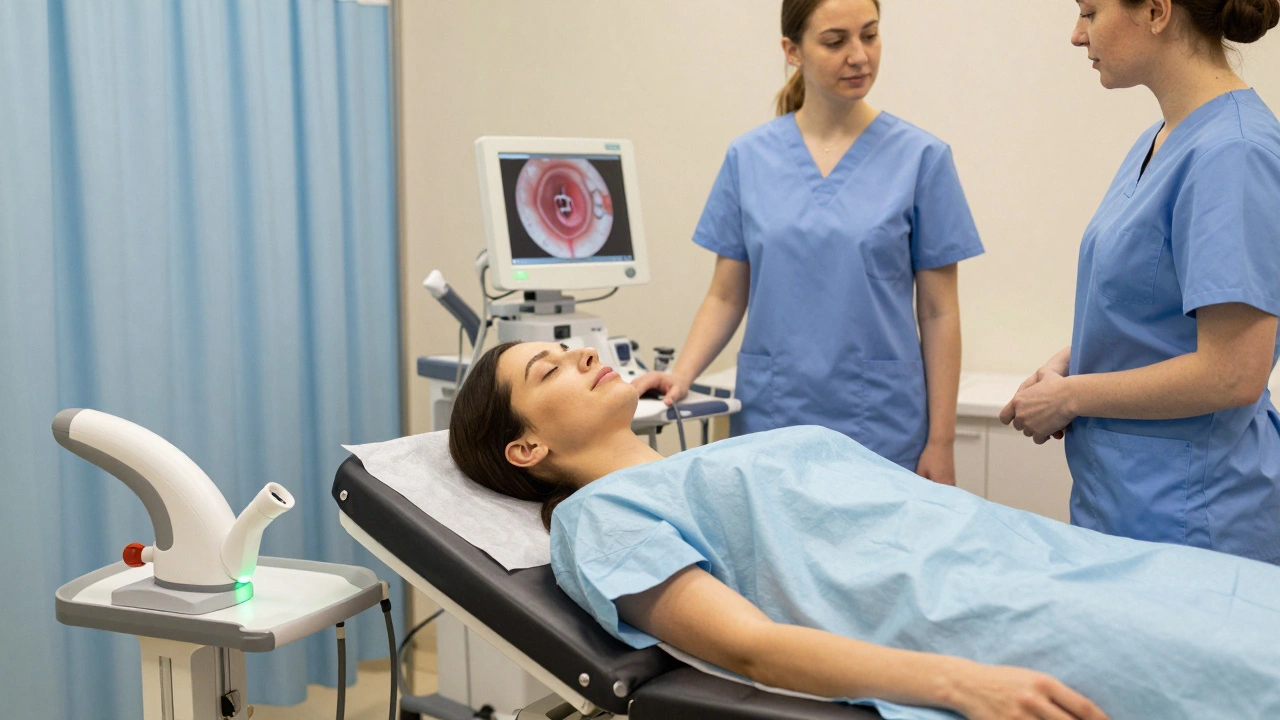
Konizace je bezpečný a běžný zákrok v gynekologii, který odstraní abnormální buňky z děložního hrdla. Zjisti, jak probíhá, co očekávat a jak se po ní chovat.
 Zdraví a wellness